
Unearthed During Lockdown: Recent Study Uncovers the Oldest Human Burials on Patagonia’s Atlantic Coast
Recent study finds evidence that established hunter-gatherer communities inhabited the Patagonian Atlantic coast over 10,000 years ago

Originally Published on Medium
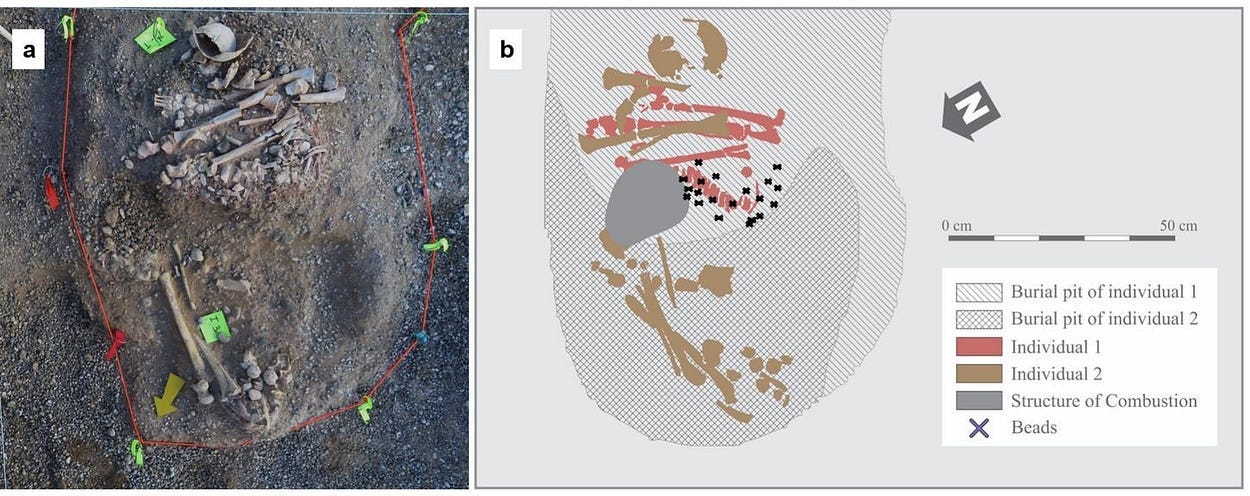
Imagine yourself in the year 2020, it’s October, and the pandemic has led to nationwide lockdowns, travel restrictions, and a world in panic. However, in the midst of all this, a house was being built in the Camarones village in the Argentine Patagonia. But the house isn’t what’s special; it’s the human bones found during construction.
Most sane people would be rather worried at the discovery of bones (not me, I would be morbidly curious) and immediately call the police (I would do that, don’t worry). After all, this may be a murder victim. Well, as it turns out, these bones were anything but modern.
In a recent study, published in the Journal of Archaeological Science: Reports, Dr. Julieta Gómez Otero and her colleagues analyzed the remains of not one but two individuals recovered from a construction on the Patagonian Atlantic coast.
What they found was evidence of the earliest human burial ever documented, and one of the earliest pieces of evidence of hunter-gatherer settlement on the coast of South America. How old were they, who was buried here, and what does this tell us about the early peopling of South America?
Peopling South America
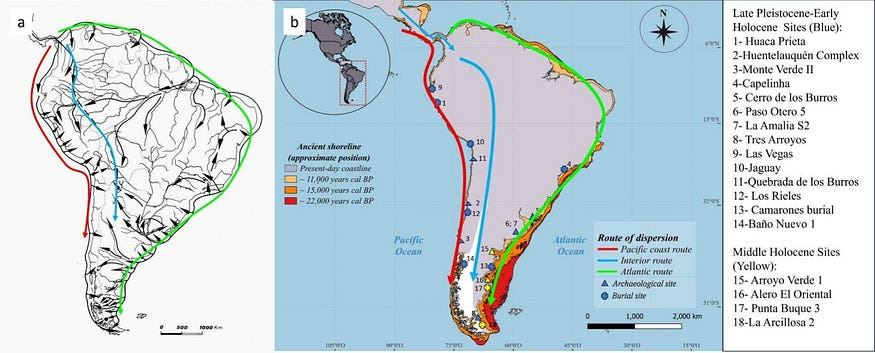
The peopling of the Americas has long been a central and contested research topic, with various researchers proposing different times, origins, and routes of early human dispersal. In South America, this debate persists and is particularly focused on whether colonization occurred before or after the Last Glacial Maximum (LGM; 26,000–19,000 years ago).
